
Is A Trust Better Than a Will in Minnesota? 2025
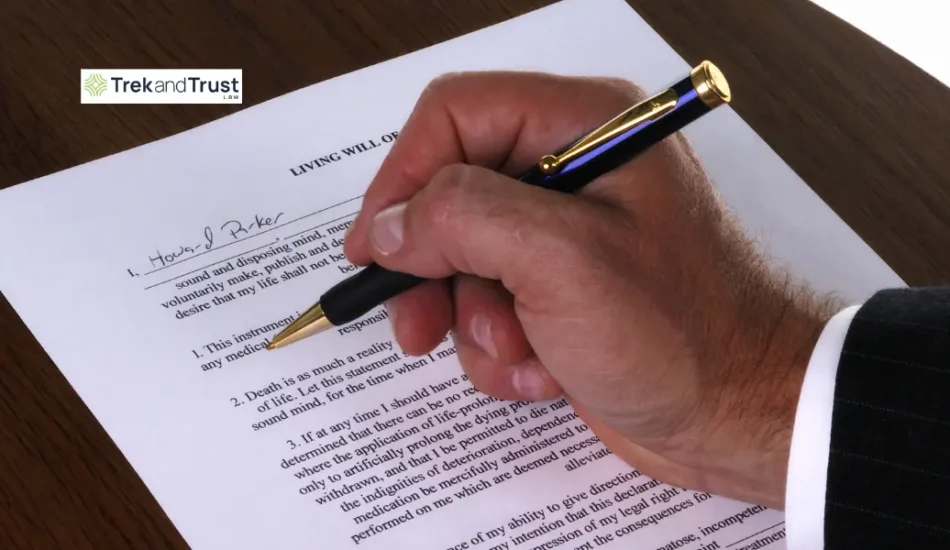
Thinking about the end of life is never easy, and talking about it can be even harder. With that said, it is definitely something important to think and talk about with your loved ones. If you want a way to protect your hard-earned assets and legacy, a trust can be a useful tool. If you are trying to determine, “Is a trust better than a will in Minnesota?” Trek & Trust Law can help.
A common misconception is that trusts are only valuable for people with vast wealth. This simply is not true. Regardless of your wealth or the value of your estate, a trust can be beneficial for individuals from diverse backgrounds. Often, many people choose to only establish a will when estate planning, but a trust can complement a will and even have advantages.
If you have not created a trust as part of your end-of-life plans, you are not alone. In a 2024 estate planning survey on wills, only 13% of respondents reported having a trust. Creating a trust can give you more control over your future. Although the legal process can be complicated, a knowledgeable attorney can walk you through every step of the way.
How Trek & Trust Law Can Help
At Trek & Trust Law, we are more than just another law firm. When you hire a trust lawyer on our team, you can rest easy knowing that we have successfully handled a variety of trust cases throughout the state. Some lawyers can be intimidating, but you never have to worry about that with us. Instead, we are flexible, down-to-earth, and relaxed.
An experienced trust lawyer at our firm can help you create a trust and make changes to a trust, if necessary. In the United States, divorce after age 50 has doubled since 1990, and researchers predict it will increase by a third by 2030. When divorces occur later in life, it can make sense to make changes to legal documents and estate plans.
Defining a Trust
In this kind of legal arrangement, assets are transferred to a trustee to manage for the benefit of a beneficiary. Essentially, this manages the distribution of your assets. You can create two types of basic trusts: a testamentary trust or a living trust. With a testamentary trust, you create the document to go into effect as part of your will. In contrast, you create a living trust during your lifetime.
Also known as a revocable trust, a living trust is more flexible than a testamentary trust and provides for asset management while you are alive. The primary distinction between the two types of trusts is timing. One is part of the will process that only happens after you pass, and the other is a way to manage assets during your lifetime.
Trust Benefits
Trusts can be a beneficial estate planning tool in terms of cost savings, confidentiality, control, and protection. More flexible than wills, trusts allow for more detailed management over how and when you distribute assets. Other trust benefits can include:
- Avoiding probate
- Protecting assets
- Providing for incapacity
- Maintaining privacy
- Minimizing taxes
If you are unsure whether to create a will or a trust, you may benefit from having both. Talk to our attorney about your concerns and ask for their guidance on choosing between a will and a trust during your estate planning.
Trusts vs. Wills
Wills are more common than trusts, and they differ. In the U.S., around 46% of Americans report having a will. Minnesota will laws require you to go through public probate, whereas you can avoid the time-consuming and expensive process with a trust.
Why Should I Hire a Trust Lawyer?
Navigating estate planning alone can be confusing, and paperwork can be overwhelming. Here at Trek & Trust Law, we know the county court system that serves the Elk River, Minnesota, area. Specifically, the Sherburne County District Court handles matters related to trusts and estates. Even if you have never visited the court before, we know what to do.
FAQs
Do I Need a Will or a Trust in MN?
Whether you need a will or a trust in Minnesota depends on your estate’s complexity and your specific goals. A will is often sufficient for simpler estates and allows you to name guardians for minor children. On the other hand, a trust can be useful for larger estates or more complex situations where you may want to avoid probate, maintain privacy, or plan asset management in case of incapacitation.
Why Is a Trust Better Than a Will?
Because Minnesota trust laws avoid probate, provide greater privacy, and offer more control over asset distribution and management, you may see a trust as being better than a will. Ultimately, the choice between a trust and a will depends on your unique goals, but you do not have to choose. When estate planning, a trust can work alongside your will to be part of your comprehensive plan that includes both tools.
What Is the Major Disadvantage of a Trust?
The major disadvantages of a trust are the initial cost and complexity to set one up. Setting up a trust also requires legal fees and careful property planning and transfer. Afterward, it necessitates ongoing record-keeping and regular updates, which can lead to a significant administrative barrier for some individuals. Working with a lawyer can alleviate a lot of this burden.
What Takes Precedence, a Will or a Trust?
A trust takes precedence over a will. Because a revocable living trust is effective immediately upon signing and funding, it manages assets during your lifetime and bypasses the probate process after your death. Unlike assets in a will, assets in a trust are not subject to the terms of a will, which goes into effect only after death and through the process of probate.
Secure Your Legacy With a Trust Today
There is never a wrong time to plan for the unknown. If you have questions about your options, such as “Is a trust better than a will in Minnesota?”, our skilled trusts attorney at Trek & Trust Law can provide guidance and help you secure your legacy. You never know what tomorrow will bring. Contact our firm to protect your future today.

© 2026 Trek & Trust Law. All rights reserved.
Digital Marketing By 